Guide
How to choose a roofing contractor in Atlanta
Most roofing problems start with the contract, not the crew. A few direct questions before you sign tell you more about a roofer than any review or yard sign.
- Calls answered 24/7
- Questions to ask
- Red flags
Quick answer
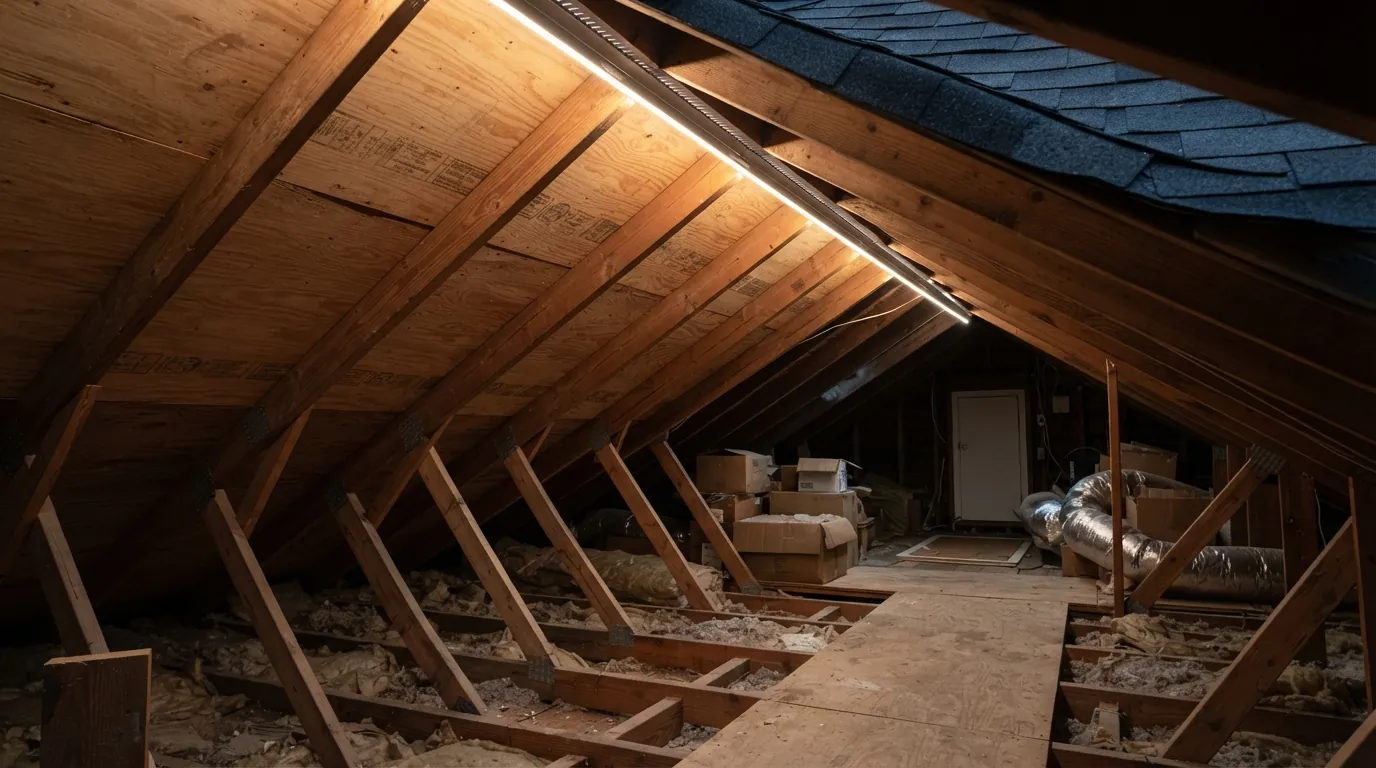
When choosing a roofing contractor in Atlanta, ask who pulls the permit, which exact product and color is being installed (and whether it is cool-roof rated inside city limits), how rotted decking is priced, whether flashing is replaced or reused, and what the written scope includes. Verify insurance and any required license yourself, and never sign on the spot after a storm.
- Who pulls the permit?
- Exactly what is going on your roof?
- How is rotted decking handled?
- New flashing, or reused?
- Insurance, licensing and paperwork
- Storm-chaser red flags
- Comparing quotes fairly
Who pulls the permit?
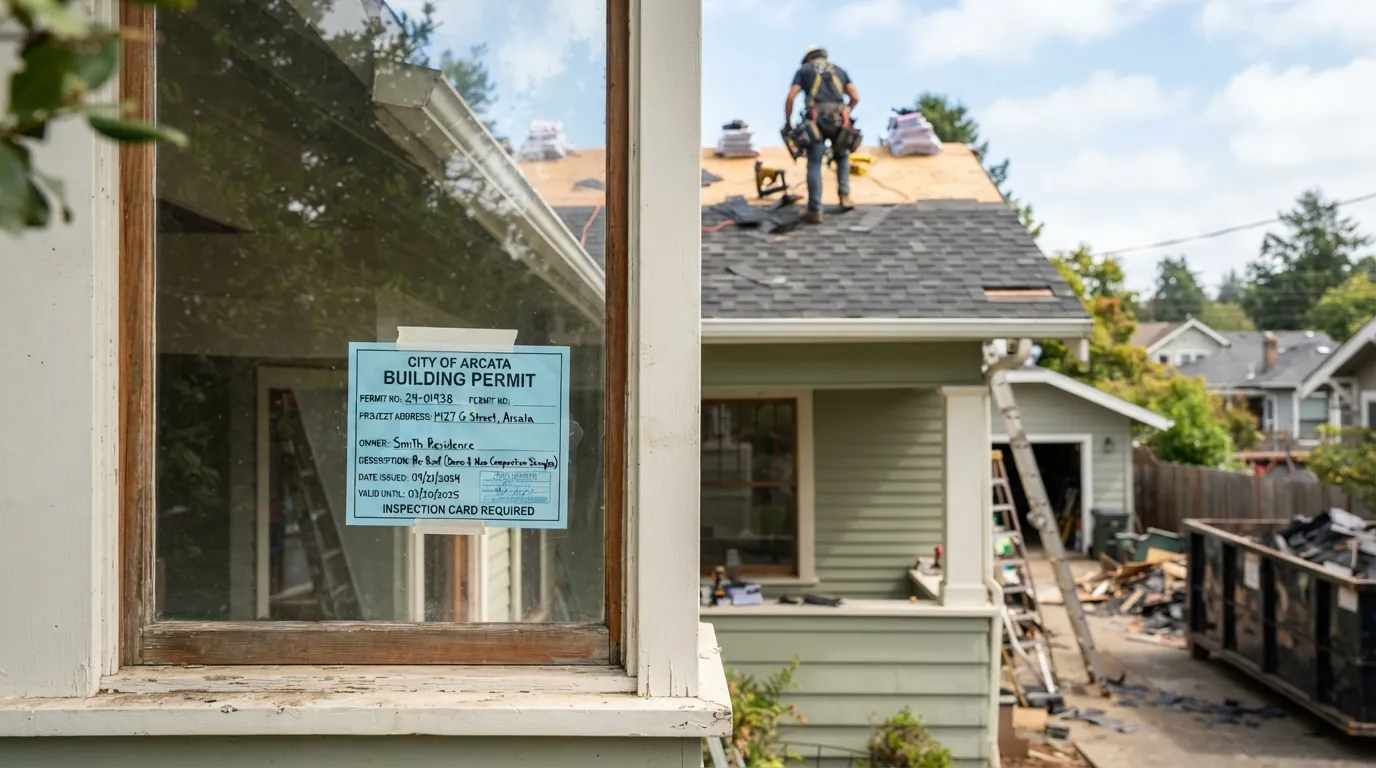
Most roof replacements and structural repairs in Atlanta need a building permit, and the surrounding counties each run their own permit rules. The contractor doing the work should pull it in their name and tell you when inspection happens. A roofer who suggests skipping the permit is also suggesting skipping the inspection that protects you.

Exactly what is going on your roof?
The quote should name the shingle or metal product, the line and the color, not just a type. Inside City of Atlanta limits, a full replacement has to meet the cool-roof ordinance, so ask for the rated spec sheet showing the product's Cool Roof Rating Council or ENERGY STAR rating. The same product needs to appear on the permit, or the final inspection can fail.
How is rotted decking handled?
Nobody can see decking until the old roof comes off, so the honest way to price it is a per-sheet allowance written into the contract. Ask what each sheet costs and how many are included, if any. A quote that says nothing about decking leaves the price open on tear-off day.
New flashing, or reused?
Flashing at walls, chimneys, skylights and pipes is where many leaks start. Ask whether it is being replaced or reused, whether drip edge is included at the eaves and rakes, what underlayment is going down, and how ventilation will be handled. These items explain most of the price difference between quotes.
Insurance, licensing and paperwork
Ask for proof of insurance, and check with your city or county about any license required for the work, then verify both yourself. Get the full scope, price and payment schedule in writing before work starts. A reasonable deposit for materials is common; a large cash payment up front is not something to agree to lightly.
Storm-chaser red flags
After a hail or wind event, crews from out of the area often canvass neighborhoods. Red flags include pressure to sign that day, offers to cover or waive your deductible, a contract that hands them control of your insurance claim, no local address, and a quote with no line items. You have time: tarp the roof if needed, get two or three local inspections, and decide once you understand the damage.
Comparing quotes fairly
Lay the quotes side by side and match the scope item by item: tear-off, decking allowance, underlayment, drip edge, flashing, ventilation, product, permit and cleanup. Once the scopes match, price differences shrink, and the ones left tell you something real. Ask each roofer how long the job will take and who to call if something goes wrong afterward.
Comparing roofers?
We write every line item out, name the product on the quote, and pull the permit ourselves, so you can compare us fairly.
Call (470) 802-9803FAQ
Related questions
Two or three from local roofers with the same scope is usually enough to see what is fair.
Not by itself. Check what it leaves out: decking, flashing, underlayment and the permit are the usual gaps.
A roofer can document damage and meet the adjuster, but the claim stays yours. Be wary of contracts that hand over control of it.
Product and color, scope line by line, decking allowance, permit, payment schedule, start and finish expectations, and cleanup.
Not always, but be reachable, and walk the finished job before final payment.
Keep reading
More roofing guides for Atlanta homeowners
How to File a Roof Insurance Claim in Georgia
The claim process from storm day to final payment, and where claims go wrong.
Read the guideGutter sizing for Atlanta rain: when 5-inch gutters are not enough
How roof area, pitch, valleys and Atlanta's downpours decide gutter and downspout size.
Read the guideSigns of hail damage on your roof
The signs of hail damage you can check from the ground, what a roofer looks for up close, and what to do before filing a claim in Georgia.
Read the guideWant a quote you can check?
Call for an inspection and a written, line-item quote with the product and permit named.